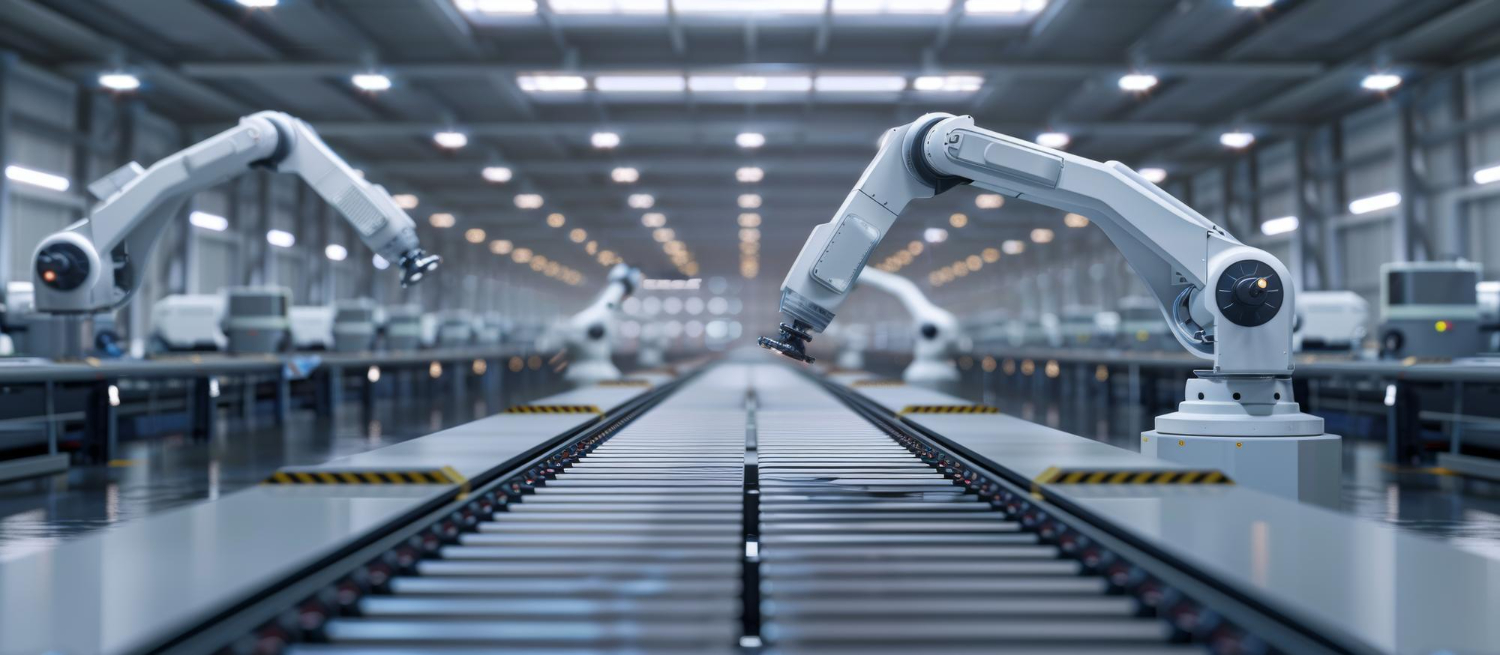
Manufacturing Technology That Keeps Production Moving

Upgrade plant floor systems, connect equipment data, automate quality checks, and scale engineering without risking a production shift during your next upgrade.

Build My EdTech SolutionFour talent engagement models represented by elevated geometric figures

When Manufacturing Technology Falls Behind,
Downtime Feels the Impact

KNOW MORE
What manufacturing organizations are driving
What's actually slowing execution
Vision

Predictive Maintenance

Catch equipment failure before it stops a production line.

Product experience

Limited Engineering Bandwidth

Day-to-day operations leave little room for platform investment.

Budget

Smart Factory & IoT Integration

Connect sensors, equipment, and systems across the plant floor.

Product experience

Specialized Expertise

OT/IT convergence and industrial systems require experience most internal teams don't have.

Demand

Quality & Compliance Automation

Automate defect detection and meet regulatory requirements consistently

Delivery maturity

Legacy OT Systems

Equipment and control systems weren't built to share data with anything else.

Demand

Supply Chain Visibility

Unify production, inventory, and supplier data across every site.

Delivery maturity

Fragmented Plant Data

Data trapped in disconnected machines and systems stays invisible until it's a problem.

The challenge usually isn't knowing what to build. It's having the capacity and capability to build it before the next unplanned outage costs a shift.

Technology Built Around Manufacturing
Priorities

01

Smart Factory & IoT Integration

Connect equipment, sensors, and systems across the plant floor so data flows instead of staying trapped machine by machine.

02

Predictive Maintenance & Asset Intelligence

Models trained on equipment telemetry that flag failure risk before it turns into unplanned downtime.

03

Quality & Compliance Automation

Automated defect detection and compliance tooling built around the standards your specific industry actually enforces.

04

Supply Chain & ERP Integration

Connect plant floor data to inventory, fulfillment, and supplier systems so operations and the business run on the same numbers.

Every Manufacturing Initiative Encounters the Same Two Constraints

Erase Icon

Scale Capacity

Expand engineering bandwidth ahead of a plant upgrade, not during it.

Erase Icon

Accelerate Capability

Access OT/IT and industrial AI expertise for complex plant floor work.
Futuristic retail storefront

Built for Different Corners of Manufacturing

  • +Discrete Manufacturing
  • +Process Manufacturing
  • Industrial Automation & IoT
  • +Quality & Compliance Management

Testimonials

Success Validated
by Clients

"They didn't just build what we asked for. They pushed back on the parts that weren't worth building yet, and that saved us a quarter."

Ruben Curtis Director of Product
Client placeholder

Behind success

Testimonial placeholderBehind success testimonial
Ruben Curtis Chief Executive Officer

“SaleUnio helped us scale with confidence and control. Processes matured, accountability tightened, and delivery accelerated.”

Michael Ten Founder & COO

"They didn't just build what we asked for. They pushed back on the parts that weren't worth building yet, and that saved us a quarter."

Ruben Curtis Director of Product
Client placeholder

“SaleUnio helped us scale with confidence and control. Processes matured, accountability tightened, and delivery accelerated.”

Michael Ten Founder & COO

"They didn't just build what we asked for. They pushed back on the parts that weren't worth building yet, and that saved us a quarter."

Ruben Curtis Director of Product
Client placeholder

“SaleUnio helped us scale with confidence and control. Processes matured, accountability tightened, and delivery accelerated.”

Michael Ten Founder & COO

"They didn't just build what we asked for. They pushed back on the parts that weren't worth building yet, and that saved us a quarter."

Ruben Curtis Director of Product
Client placeholder

“SaleUnio helped us scale with confidence and control. Processes matured, accountability tightened, and delivery accelerated.”

Michael Ten Founder & COO

Capacity-Led Engagements
That Actually Shipped

See how organizations like yours solved their capacity and capability constraints.
View All Case Studies
Futuristic retail storefront

LEADING FMCG CONGLOMERATE · INDIA

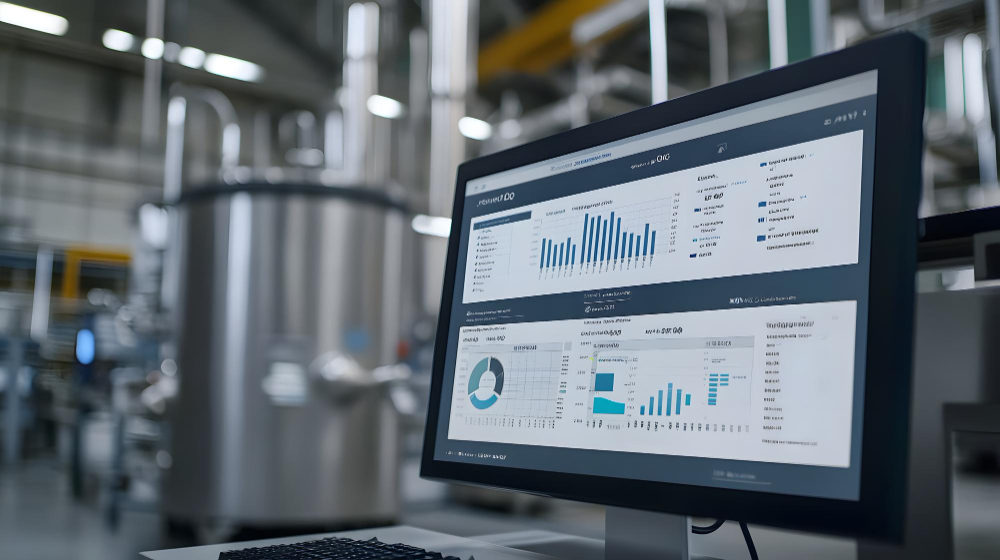
Unifying five years of fragmented data for a leading Indian FMCG conglomerate

  • +99%+ reduction in root cause analysis time
  • 5+ data sources unified into one platform
  • +100% data democratization for business users
FAQs

Frequently asked questions

+How can manufacturers reduce unplanned equipment downtime?
Reducing unplanned downtime starts with predictive maintenance, models trained on vibration, temperature, and usage data that flag a likely failure before it happens, instead of a fixed maintenance calendar that replaces parts too early or too late. Most unplanned failures leave warning signs in the data well before the equipment actually stops; the gap is usually that nobody was analyzing that data, not that the signs weren't there.
+What is OT/IT convergence, and why does it matter?
OT/IT convergence means connecting operational technology, the equipment, sensors, and control systems running the plant floor, with the IT systems running the rest of the business, like ERPs and analytics platforms. It matters because plant floor data that stays isolated in OT systems can't inform business decisions, and business systems that can't see plant floor conditions can't plan around them accurately.
+How is AI used in manufacturing?
AI powers predictive maintenance, computer vision-based quality inspection, and demand or production forecasting, helping manufacturers catch failures early, reduce manual inspection labor, and plan production more accurately. The technology matters less than the sensor and historical data feeding it; a predictive model is only as good as the equipment telemetry behind it.
+What's the difference between IoT and traditional plant monitoring systems?
Traditional plant monitoring often runs on proprietary, siloed systems built for a single piece of equipment or a single vendor's ecosystem. IoT-based monitoring connects sensors and equipment across the plant onto a shared data layer, so information from different machines, lines, or even sites can be analyzed together instead of staying locked in separate systems.
+Can I modernize plant floor systems without shutting down production?
Yes. Many manufacturers assume modernization means taking a line offline for a full system replacement, but targeted work like adding sensor connectivity, integrating existing equipment with a new data layer, or automating a specific inspection step can often deliver measurable gains without stopping production or reconfiguring the line.
+How long does it take to build predictive maintenance capability?
Timelines vary by how much historical equipment data already exists and how instrumented the equipment currently is. Manufacturers with existing sensor data and clean failure records move faster; those starting from limited instrumentation need a data collection phase first. Either way, starting months before a known high-risk period beats trying to retrofit predictive capability during a crisis.
+What causes data silos between plant floor systems and business systems like ERP?
Silos typically trace back to OT equipment that was never built to export data in a format business systems can consume, control systems from different vendors that don't share a common data standard, or integration work that was never prioritized because the plant floor and the business side were managed by separate teams. The fix is usually a dedicated integration layer, not a full replacement of either system.